News
 December 3, 2015Did you ever wonder why the world is the way it is? Or what your purpose in life is? Or what good is the church? Or why there are so…
- December 3, 2015Anglican dioceses in Northern Canada face unique challenges when compared to their southern counterparts. The vast distances between parishes, isolation of many remote communities, and the distance from urban centres,…
- November 24, 2015The origins of what became known as the Anglican Indigenous Sacred Circle go back to 1988, when Indigenous Anglicans from across Canada came together for the first time in what…
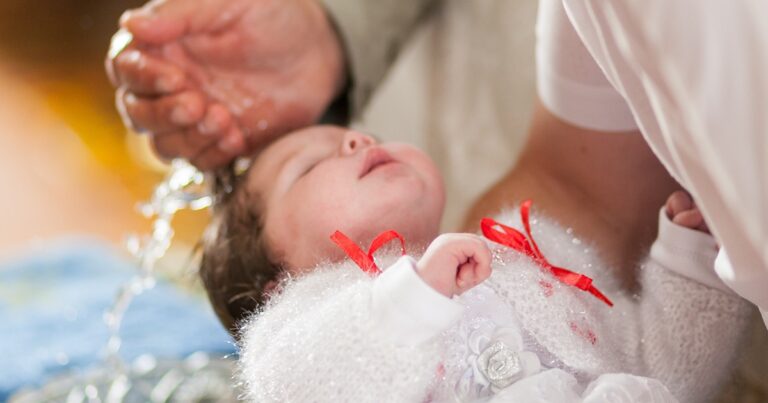
- November 19, 2015In 1975, five major Christian churches in Canada reached an agreement recognizing the validity of each other’s baptisms. Forty years later, the mutual recognition of baptism by the Presbyterian, Lutheran,…
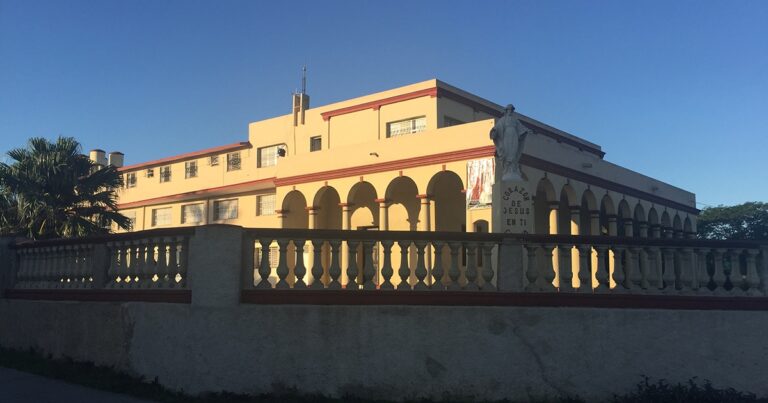
- November 18, 2015View a PDF version of Highlights from the Council of General Synod: November 15, 2015. Council members gathered at 9 a.m. at the Queen of Apostles Renewal Centre in Mississauga.…
- November 15, 2015View a PDF version of Highlights from the Council of General Synod: November 14, 2015. Council members gathered at 8:45 a.m. at the Queen of Apostles Renewal Centre in Mississauga.…
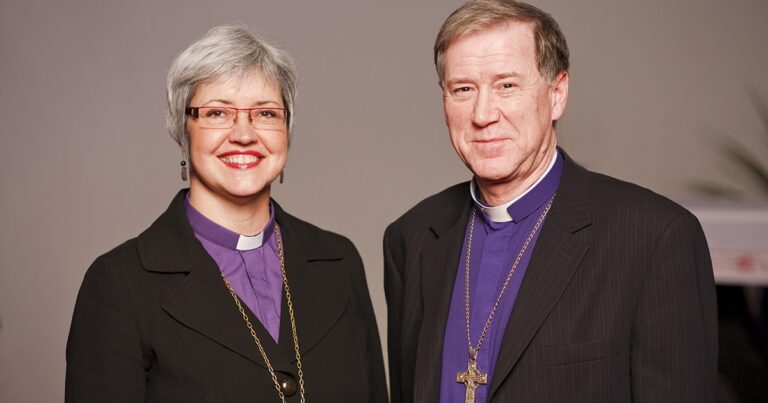
- November 14, 2015Council members gathered at 8:45 a.m. at the Queen of Apostles Renewal Centre in Mississauga. Eucharist The first day of the meeting began with a Eucharist service. Archbishop Fred Hiltz,…
- November 9, 2015An ongoing grassroots project to develop effective social justice leaders, the eighth Justice Camp organized by the Anglican Church of Canada will take on an international dimension next year as…
- November 4, 2015On behalf of the Anglican Church of Canada (ACC) and the Evangelical Lutheran Church in Canada (ELCIC), we extend our heartfelt congratulations to you as our new Prime Minister.
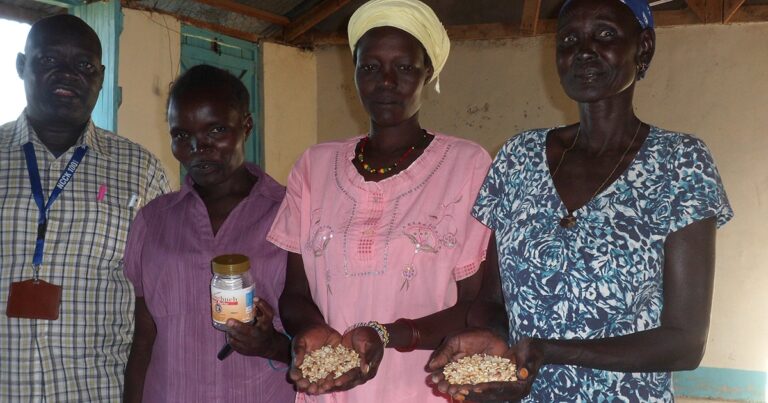
- October 30, 2015Refugees at the Kakuma refugee camp in northwestern Kenya who have escaped armed conflict or persecution face a hardscrabble existence adapting to their new surroundings. But for one group of…