News
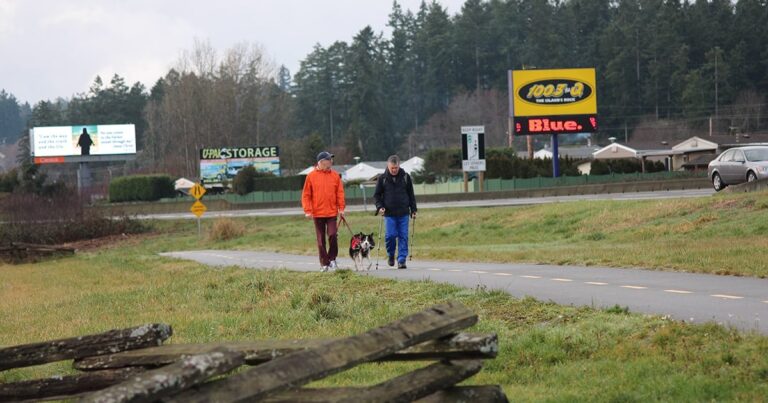
 February 24, 2016When he became bishop of the Anglican diocese of British Columbia almost two years ago, one of the first charges Bishop Logan McMenamie gave to his diocese was to determine…
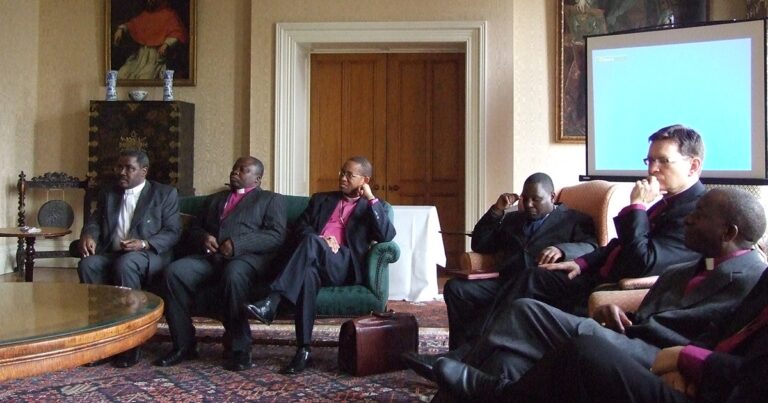
- February 22, 2016New commentaries by a group of bishops from across the worldwide Anglican Communion are offering a valuable supplement to the testimonies produced by the Consultation of Anglican Bishops in Dialogue.…
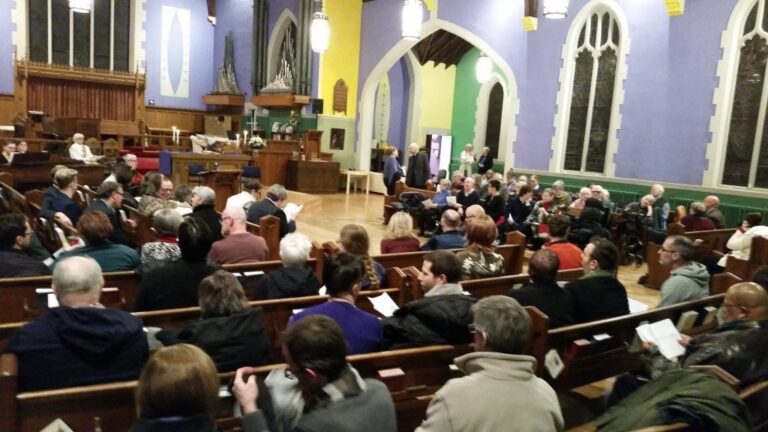
 February 17, 2016Yesterday, Archbishop Fred Hiltz met with more than 120 members and friends of the LGBTQ community in Toronto at celebration of the Holy Eucharist at St. John’s, West in Toronto.…
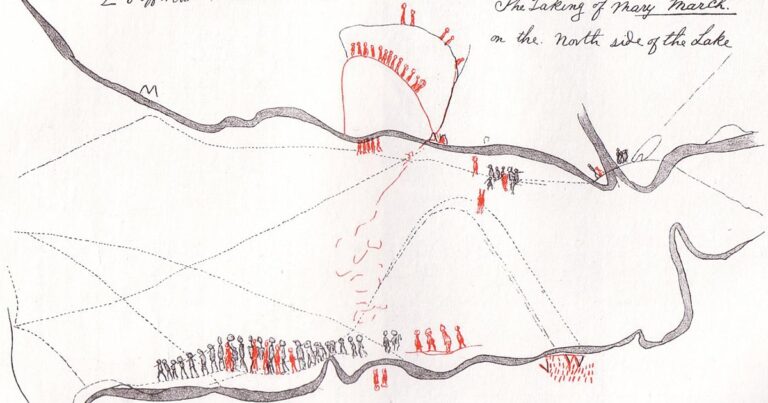
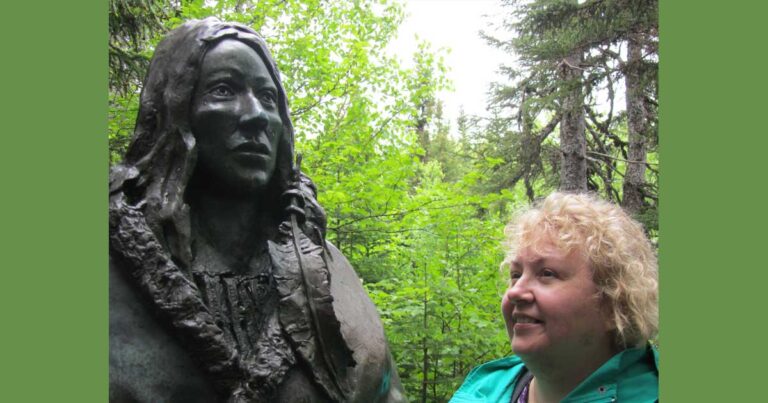
- February 12, 2016The following is the conclusion of a story on an ongoing research project investigating a key episode in the history of Anglicans and the Beothuk people of Newfoundland. Read Part…
- February 3, 2016Alongside the legacy of cultural genocide against the Indigenous peoples of Canada, embodied in the residential school system, is the tragic history of what some scholars consider to be a…
- February 1, 2016The 41st meeting of the General Synod of the Anglican Church of Canada, set to take place from July 7-12, 2016 in Richmond Hill, Ont., will bring together hundreds of…
- January 19, 2016“Now you are the body of Christ and individually members of it” (1 Corinthians 12:27) Throughout the meeting of the Primates last week, I thought much about St. Paul’s teaching…
- January 16, 2016Having met this week in Canterbury, England, the Primates of the Anglican Communion committed–even in the face of deep differences of theological conviction concerning same sex marriage–to walk together and…
- January 14, 2016Helping families in need is the driving force behind Habitat for Humanity, an international non-profit that provides affordable housing for low-income families. For any Habitat affiliate, however, a major challenge…
- January 12, 2016The Right Reverend Jim Cruickshank, known for his intellect, wit and deep pastoral care, guided the Church through reconciliation with Indigenous communities, nurtured theological education, and opened Christ Church Cathedral…